
Cheapest SR-22 Insurance for Uber Drivers — Iowa
Free to compare
The Coverage Gap Uber Drivers Hit After SR-22 Filing
You received notice that Iowa DOT requires SR-22 filing for the next 2 years after your OWI conviction or habitual-violator suspension. You drive for Uber to cover bills. Your personal auto insurer just told you they won't cover rideshare activity under any SR-22 policy they write. Uber's commercial rideshare policy through their partner carriers won't accept drivers with active SR-22 requirements. You are caught between two exclusions with no clear path forward.
This structural problem affects every Iowa rideshare driver who needs SR-22 filing. Personal auto policies that accept SR-22 drivers almost universally exclude Transportation Network Company (TNC) activity in their policy language. Rideshare endorsements and commercial TNC policies screen out drivers with SR-22 requirements during underwriting. The gap is real, and standard insurance advice does not address it.
“Personal SR-22 policies exclude rideshare activity the moment you turn on the app, and most rideshare policies reject SR-22 drivers—forcing a two-policy structure.”

Get Back on Iowa Roads With the Right SR-22
Get My Iowa SR-22 Auto Insurance Quote2 years
Iowa SR-22 Filing Period
Iowa Code 321A requires SR-22 filing for 2 years following OWI conviction, habitual-violator suspension, at-fault uninsured accident, or non-payment of fines. The period begins when you file SR-22, not when the violation occurred.
Iowa Code 321A.13/.14/.16/.17
Why Personal SR-22 Policies Exclude Rideshare
Personal auto policies price risk based on personal-use driving patterns: commuting, errands, occasional trips. Rideshare driving changes the risk profile fundamentally. You drive more miles, in unfamiliar areas, with strangers in the vehicle, during high-traffic hours. Insurers classify this as commercial activity and exclude it from personal policies.
When you add SR-22 filing to a personal policy, you are already in a non-standard tier. The carrier has accepted elevated risk from your violation history. They will not layer rideshare exposure on top of that elevated baseline. The exclusion appears in the policy endorsement language: coverage does not apply while the vehicle is being used for hire, compensation, or transportation network company activity.
This is not carrier-specific. State Farm, Geico, Progressive, Allstate—every carrier writing personal SR-22 policies in Iowa uses similar TNC exclusion language. The exclusion protects the carrier from underpriced commercial exposure. It leaves you without coverage the moment you turn on the Uber app.
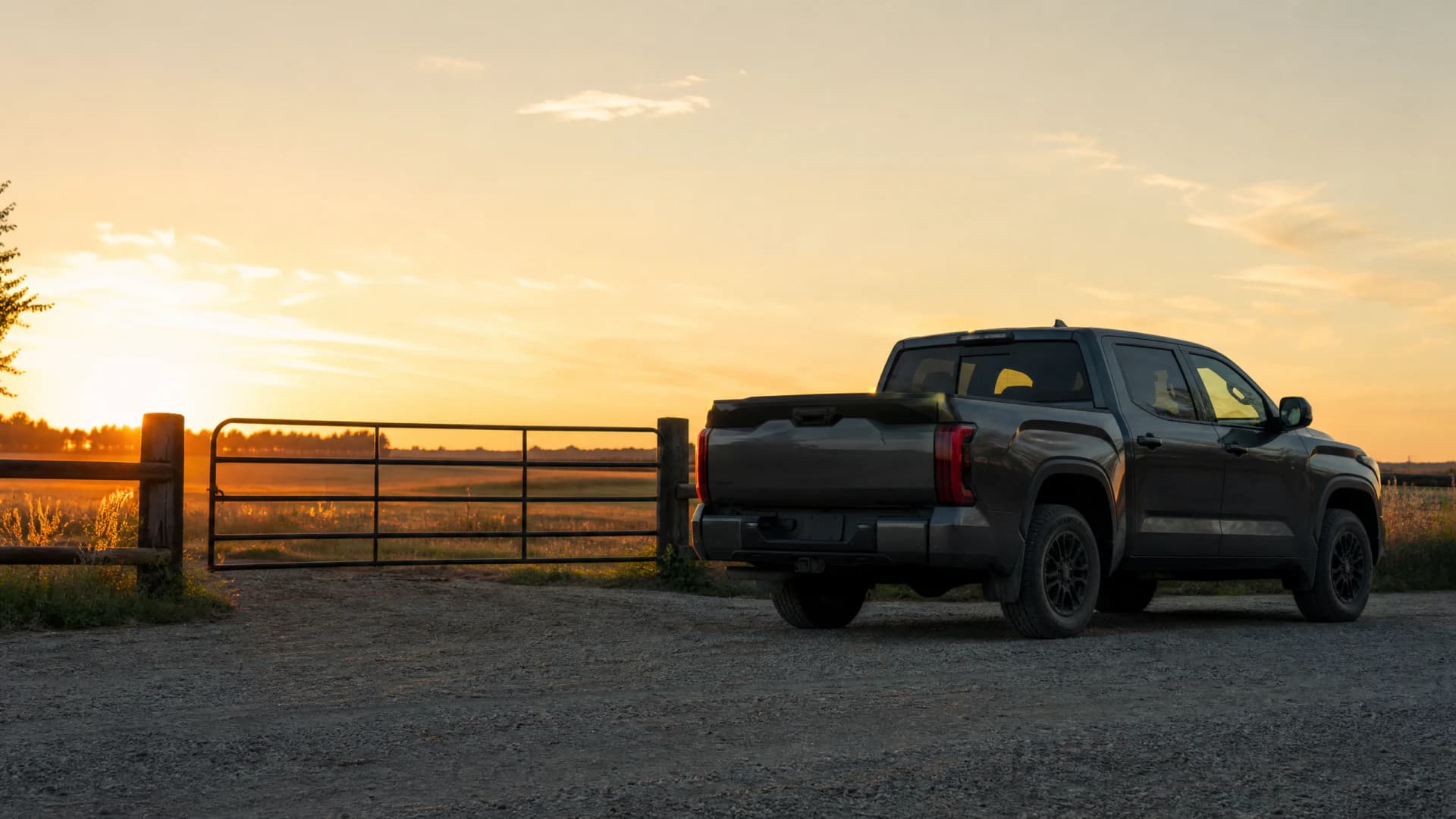
The moment you accept a ride request, your personal SR-22 policy stops covering you. If you cause an accident with a passenger in the vehicle, you have no liability coverage and Iowa DOT revokes your SR-22 for lapse.





Which Carriers Write Both Policies
Progressive writes both personal SR-22 policies and commercial TNC coverage in Iowa, but they underwrite them as separate products through separate divisions. Your personal SR-22 policy comes from Progressive's standard auto division. Your TNC coverage comes from Progressive Commercial. The two policies do not communicate during underwriting. You apply for each separately. Progressive Commercial may decline TNC coverage even if Progressive standard auto accepted your SR-22 policy.
Geico writes personal SR-22 policies in Iowa but does not offer TNC endorsements or commercial rideshare coverage. If Geico is your SR-22 carrier, you must obtain TNC coverage from a separate carrier. Uber's platform provides access to partner carriers, but approval is not guaranteed for drivers with SR-22 requirements.
Dairyland, Bristol West, The General, and National General all write non-standard personal SR-22 policies in Iowa. None offer rideshare endorsements. You will need a separate TNC policy from a commercial carrier. This two-carrier structure increases administrative complexity—you manage two renewals, two payment schedules, two claims processes—but it is the only compliant path.
$140–$220/mo
Combined Iowa SR-22 + TNC Cost
Personal SR-22 liability policy ($85–$140/mo) plus commercial TNC liability coverage ($55–$80/mo) for an Iowa driver with one OWI and clean record otherwise. Rates increase with additional violations, younger age, or urban county.
Estimates based on available industry data; individual rates vary by driving history, vehicle, coverage selections, and location.

How to Structure Coverage Without Gaps
Start with the personal SR-22 policy. Apply to carriers that write non-standard auto in Iowa: Progressive, Geico, State Farm (if they will quote you post-violation), Dairyland, Bristol West, The General, National General. Request liability-only coverage at Iowa state minimums ($20,000 per person / $40,000 per accident bodily injury, $15,000 property damage). Disclose that you drive for Uber but confirm the policy excludes rideshare activity. Request SR-22 filing as part of the application. The carrier files electronically with Iowa DOT within 1–3 business days.
Once the personal SR-22 policy is active and filed, apply for TNC coverage through Uber's insurance partner portal or directly with commercial carriers that write rideshare coverage in Iowa. Disclose your SR-22 requirement during application. If the first carrier declines, apply to the next. Some commercial carriers accept SR-22 drivers; others do not. Approval depends on the specific violation, time since conviction, and your overall driving record.
Maintain both policies without lapse. If either policy cancels, you create a coverage gap. If the personal SR-22 policy lapses, Iowa DOT receives automatic notice from the carrier and suspends your license again. If the TNC policy lapses, you are uninsured the moment you turn on the Uber app. Set both policies to auto-pay and monitor renewal notices closely.
Compare Iowa SR-22 Carriers That Work With Rideshare Drivers
Not every carrier that writes SR-22 policies will quote a driver who discloses rideshare activity, even when the policy excludes that activity. Some carriers view any TNC involvement as unacceptable risk and decline the application outright. Others will write the personal SR-22 policy but price it higher when rideshare is disclosed. Start with carriers known to write non-standard auto for drivers with complex profiles: Progressive, Dairyland, Bristol West, The General, National General. Request quotes from at least three carriers. Rates vary by $40–$60/month between carriers for identical coverage and identical driver profiles. Use Iowa SR-22 Auto Insurance's comparison tool to see which carriers will quote your specific situation and at what rate. You need the personal SR-22 policy in place before you can activate TNC coverage, so prioritize getting that policy bound first.
The Two-Policy Structure That Works
The personal SR-22 policy covers you during personal driving: commuting to your day job, running errands, any driving with the Uber app off. This policy carries the SR-22 certificate filed with Iowa DOT. Carriers that write this policy in Iowa include Geico, Progressive, State Farm, Dairyland, Bristol West, The General, and National General. You disclose to the carrier that you drive rideshare, but the policy excludes that activity—it only covers personal use. Monthly cost for liability-only SR-22 coverage in Iowa typically runs $85–$140 for drivers with one OWI and no other violations.
The commercial TNC policy or rideshare endorsement covers you from the moment you turn on the Uber app until you drop off the passenger and close the trip. This policy does not carry SR-22 filing—it exists solely to cover the rideshare activity your personal policy excludes. Uber's partner carriers (currently includes Progressive Commercial and others depending on your market) underwrite this coverage separately. They screen for SR-22 requirements during application. Many reject drivers with active SR-22 filing. The carriers that do accept SR-22 drivers charge $55–$80/month for TNC liability coverage on top of your personal policy premium.
Get Your Free Quote
Get My Iowa SR-22 Auto Insurance QuoteFrequently Asked Questions
Can I drive for Uber in Iowa with an SR-22 requirement?
Yes, but you need two separate insurance policies running simultaneously: a personal SR-22 policy that satisfies Iowa DOT filing requirements, and a commercial TNC policy that covers rideshare activity. Personal SR-22 policies exclude driving-for-hire, and most rideshare policies reject drivers with active SR-22 requirements, creating a coverage gap you must bridge with this two-policy structure.
How much does SR-22 insurance cost for Uber drivers in Iowa?
Combined cost typically runs $140–$220/month: $85–$140/month for a personal liability-only SR-22 policy, plus $55–$80/month for commercial TNC coverage. Rates vary by violation type, time since conviction, age, and county. Drivers with multiple violations or under age 25 pay significantly more.
Will Progressive insure Uber drivers who need SR-22 in Iowa?
Progressive writes both personal SR-22 policies and commercial TNC coverage in Iowa, but they are separate products underwritten by separate divisions. Your personal SR-22 policy comes from Progressive standard auto; TNC coverage comes from Progressive Commercial. Approval for one does not guarantee approval for the other. You must apply to each separately.
What happens if I drive for Uber without TNC coverage in Iowa?
You are uninsured the moment you turn on the Uber app. If you cause an accident with a passenger in the vehicle, your personal SR-22 policy will deny the claim due to the rideshare exclusion. You face personal liability for all damages, Iowa DOT revokes your SR-22 for insurance lapse, and your license is suspended again.
Do I need to tell my SR-22 insurance carrier I drive for Uber?
Yes. Failing to disclose rideshare activity is material misrepresentation. If the carrier discovers you drive for Uber after a claim, they can deny coverage and cancel the policy retroactively. Disclose rideshare activity during application, confirm the policy excludes that activity, and obtain separate TNC coverage to fill the gap.
How long does Iowa require SR-22 filing after an OWI?
Iowa requires SR-22 filing for 2 years following an OWI conviction, measured from the date you file SR-22 with Iowa DOT, not the conviction date. The filing period also applies to habitual-violator suspensions, at-fault uninsured accidents, and non-payment of fines under Iowa Code 321A.