
Cheapest SR-22 Insurance Quote — Iowa
Free to compare
Why Your SR-22 Quote Is Higher Than Your Last Premium
You received an SR-22 requirement notice from the Iowa Department of Transportation after an OWI conviction, habitual-violator suspension, or uninsured-accident finding under Iowa Code 321A.13 through 321A.17. You called your current carrier and the quote came back 60% higher than what you paid last year. The agent mentioned SR-22 and you assumed the filing itself carries a surcharge. It does not. The SR-22 certificate is a two-year proof-of-insurance filing your carrier submits electronically to Iowa DOT at no premium cost—most insurers charge a one-time administrative fee between $15 and $50 to process it, but that fee is not your premium.
What changed is your underwriting tier. The violation that triggered the SR-22 requirement moved you from standard-tier pricing into non-standard or high-risk tier pricing. Carriers segment risk by violation history, and suspended drivers price into tiers where premiums reflect claims probability for that segment. Your current carrier may not write non-standard business at all, or may price it so high you're effectively being declined. The cheapest SR-22 quote in Iowa comes from finding a carrier that actively competes for suspended-driver business and prices that tier aggressively.
“The carrier that priced you lowest before your suspension is rarely the carrier that prices you lowest after.”

Get Back on Iowa Roads With the Right SR-22
Get My Iowa SR-22 Auto Insurance Quote$72/mo
Iowa Average Auto Premium
Iowa drivers paid an average of $926.42 annually per insured vehicle in 2023, or roughly $77 per month, according to NAIC data. Suspended drivers entering non-standard tiers typically see base premiums 40-80% above this statewide average before applying any discounts.
NAIC Auto Insurance Database Report 2023
SR-22 Filing Does Not Add Premium Cost
The SR-22 itself is a certificate of financial responsibility, not an insurance product. Iowa requires it under Iowa Code 321A for specific violations: OWI convictions, at-fault accidents while uninsured, habitual traffic offenses, and failure to pay judgments from accidents. Your carrier files the SR-22 electronically with Iowa DOT Motor Vehicle Division and maintains it for two years from your conviction or suspension date. If your policy lapses or cancels during that period, the carrier notifies Iowa DOT within 10 days and your license is re-suspended immediately.
The filing fee—the one-time charge your carrier assesses to process and submit the SR-22—ranges from $15 to $50 depending on the insurer. This is separate from your premium. Some carriers waive it entirely for new customers. The premium increase you're seeing reflects the underwriting tier your violation history now places you in, not the administrative cost of filing a form.
If you own a vehicle, you need an owner SR-22 policy covering that vehicle. If you do not currently own a vehicle but need SR-22 coverage to satisfy Iowa DOT reinstatement requirements, you need a non-owner SR-22 policy. Non-owner policies cover liability when you drive a borrowed or rented vehicle and typically cost 30-50% less than owner policies because they exclude collision and comprehensive coverage.
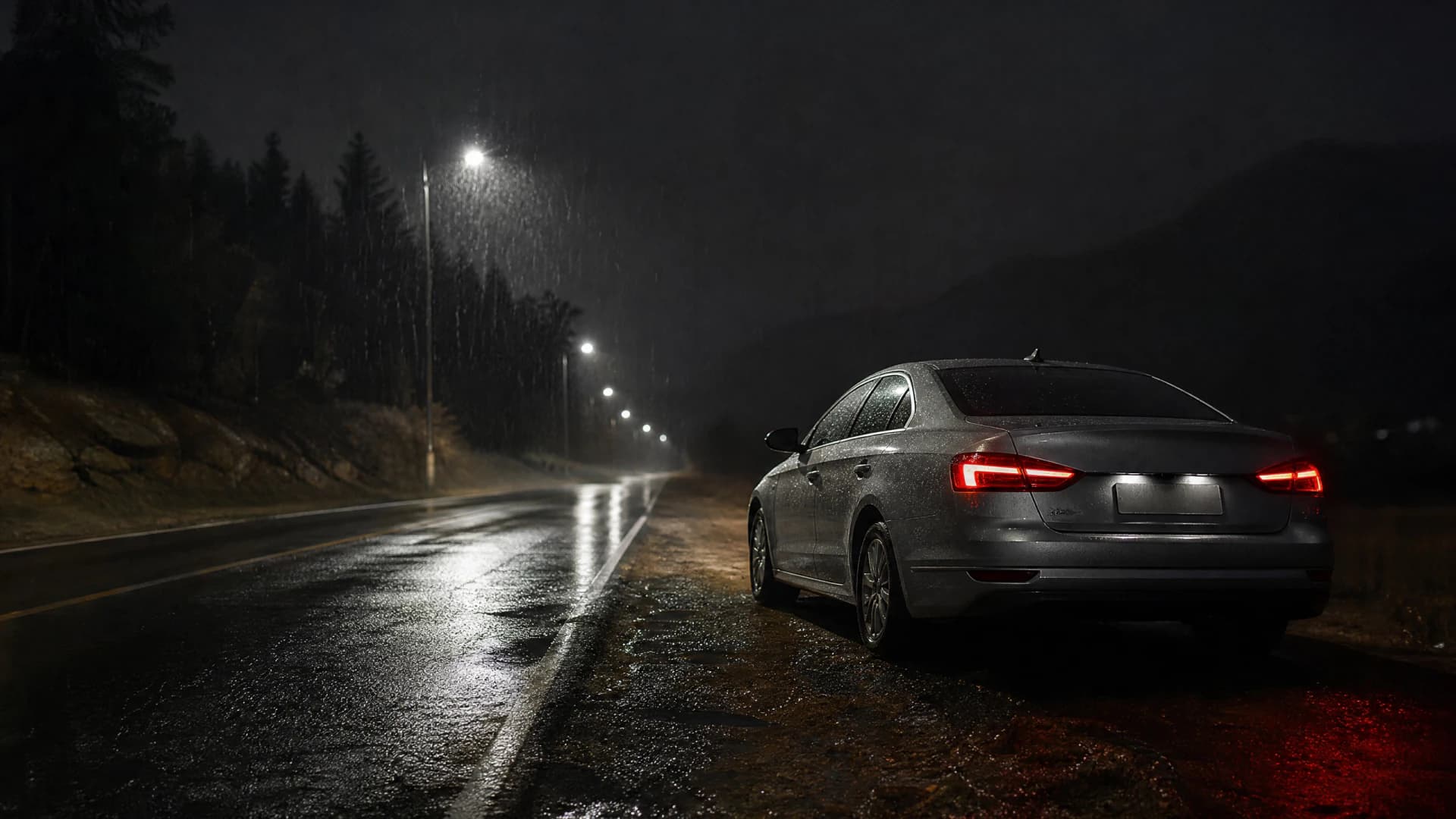
The carrier that priced you lowest before your suspension is rarely the carrier that prices you lowest after. Non-standard tier appetite varies widely.






How to Compare SR-22 Quotes in Iowa
Start with the non-standard specialists: Progressive, Geico, Bristol West, Dairyland, National General, The General. These six carriers write the majority of SR-22 business in Iowa and compete directly for suspended drivers. Request quotes from at least four. Provide your exact violation date, suspension start and end dates, and whether you need an owner or non-owner policy. Quotes vary by 30-50% between these carriers for the same driver profile because each uses different risk models and tier structures.
If your suspension is older than 18 months and you have no other violations in the past three years, add State Farm, Allstate, and Farmers to your comparison set. These carriers may price you competitively once you're outside the immediate post-violation window. If your suspension involved an OWI with a BAC above .15 or a refusal, or if you have multiple violations within three years, skip the standard-tier carriers—they will decline or quote you so high the comparison wastes time.
Iowa requires minimum liability limits of $20,000 per person, $40,000 per accident for bodily injury, and $15,000 for property damage. Your SR-22 filing must certify you carry at least these minimums. Quoting higher limits—$50,000/$100,000/$50,000 or $100,000/$300,000/$100,000—often costs less than 15% more in premium and protects you from out-of-pocket exposure in a serious accident. Collision and comprehensive coverage are optional unless you finance your vehicle, in which case your lender requires them. Dropping collision on an older vehicle can cut your premium by 25-35%, but you lose coverage for damage to your own car.
2 years
Iowa SR-22 Filing Period
Iowa Code 321A requires SR-22 filing for two years from the date of conviction or suspension. The filing period does not start until your carrier submits the SR-22 to Iowa DOT, so delays in obtaining coverage extend your total time under the requirement. If your policy lapses during the two-year period, Iowa DOT re-suspends your license and the clock resets.
Iowa Code 321A.13–321A.17

Non-Owner SR-22 Policies for Drivers Without Vehicles
If you do not own a vehicle but Iowa DOT requires SR-22 filing to reinstate your license, a non-owner SR-22 policy satisfies the requirement. Non-owner policies provide liability coverage when you drive a borrowed, rented, or employer-owned vehicle. They do not cover a vehicle you own, lease, or regularly use—if you later purchase a vehicle, you must convert to an owner policy immediately or your SR-22 filing becomes invalid.
Non-owner SR-22 policies in Iowa typically cost $30 to $60 per month depending on your violation history and the carrier. Geico, Progressive, The General, Dairyland, and National General all write non-owner SR-22 in Iowa. The General specializes in this product and often delivers the lowest quote for drivers with recent OWI convictions or multiple suspensions. Non-owner policies carry only liability limits—no collision, comprehensive, uninsured motorist, or medical payments coverage—which keeps premiums low but leaves you exposed if you're injured in an accident you did not cause while driving an uninsured vehicle.
Compare Carriers Writing Your Tier
The cheapest SR-22 quote in Iowa comes from comparing carriers that actively write suspended drivers, not from negotiating with your current carrier or hoping for loyalty discounts. Tier placement is algorithmic—your violation history, suspension type, and time since conviction determine which tier you price into, and that tier determines your base premium before any discounts apply. A carrier that does not compete for non-standard business will price you into their highest tier as a courtesy quote, not a competitive offer.
Request quotes from at least four non-standard specialists. Provide identical coverage limits and deductibles to each so you're comparing base premium, not coverage differences. Ask each carrier whether they offer discounts for paying in full, bundling renters or homeowners insurance, completing a defensive driving course, or installing telematics. These discounts stack and can reduce your quoted premium by 10-20%. Do not accept the first quote you receive—suspended-driver pricing varies more than clean-record pricing because fewer carriers compete for the business, and the carriers that do use widely different risk models.
Which Carriers Write SR-22 in Iowa
Standard-tier carriers like State Farm, Allstate, American Family, and Farmers write SR-22 filings but typically price suspended drivers at the high end of their non-standard tier or decline them outright if the violation is recent. These carriers prioritize clean-record drivers and treat SR-22 filers as accommodation business rather than target business. If your suspension is older than two years and you have no other violations, you may price competitively here. If your OWI conviction is within the past 12 months, expect quotes 70-90% above your prior premium or a polite decline.
Non-standard specialists like Progressive, Geico, Bristol West, Dairyland, National General, and The General actively compete for suspended-driver business and price SR-22 filers into tiers designed for that risk profile. These carriers expect violations in your history and build pricing models around them. A recent OWI conviction that disqualifies you from State Farm may price you into Progressive's mid-tier at a 40% increase rather than an 80% increase. Bristol West and Dairyland write drivers other carriers will not touch and often deliver the lowest quote for habitual violators or drivers with multiple suspensions. The General specializes in non-owner SR-22 policies for drivers without vehicles who need coverage to satisfy reinstatement requirements.
Get Your Free Quote
Get My Iowa SR-22 Auto Insurance QuoteFrequently Asked Questions
Does SR-22 filing increase my insurance premium in Iowa?
The SR-22 filing itself does not increase your premium. The violation that triggered the SR-22 requirement—OWI, habitual offenses, uninsured accident—moves you into a higher underwriting tier, and that tier placement increases your premium. Most carriers charge a one-time filing fee of $15 to $50 to process the SR-22, but this is separate from your monthly premium.
Which insurance companies offer the cheapest SR-22 quotes in Iowa?
Progressive, Geico, Bristol West, Dairyland, National General, and The General actively compete for SR-22 business in Iowa and typically deliver the lowest quotes for suspended drivers. Standard-tier carriers like State Farm and Allstate write SR-22 filings but often price suspended drivers 70-90% higher than non-standard specialists. Compare at least four carriers to find the lowest rate for your violation profile.
How long do I need SR-22 insurance in Iowa?
Iowa requires SR-22 filing for two years from your conviction or suspension date under Iowa Code 321A. The filing period does not start until your carrier submits the SR-22 to Iowa DOT. If your policy lapses or cancels during the two-year period, Iowa DOT re-suspends your license immediately and the filing clock resets.
Can I get SR-22 insurance in Iowa if I don't own a car?
Yes. A non-owner SR-22 policy provides liability coverage when you drive a borrowed or rented vehicle and satisfies Iowa DOT's SR-22 filing requirement. Non-owner policies typically cost $30 to $60 per month in Iowa. Geico, Progressive, The General, Dairyland, and National General all write non-owner SR-22 coverage in Iowa.
What happens if my SR-22 insurance lapses in Iowa?
If your SR-22 policy lapses or cancels, your carrier notifies Iowa DOT within 10 days and your license is re-suspended immediately. You must obtain new coverage, file a new SR-22, pay a $20 reinstatement fee, and restart the two-year filing period from the new filing date. Continuous coverage is required—even a one-day lapse triggers re-suspension.
How much does SR-22 insurance cost in Iowa after a DUI?
Non-standard carriers writing OWI drivers in Iowa typically quote premiums 40-80% above the state average of $72 per month for standard-tier drivers. Actual cost depends on your BAC level, whether you refused testing, prior violations, age, and county. Non-owner SR-22 policies for drivers without vehicles cost $30 to $60 per month. Compare quotes from Progressive, Geico, Bristol West, and Dairyland to find the lowest rate.
Do all insurance companies in Iowa file SR-22?
No. Of the major carriers licensed in Iowa, 11 explicitly write SR-22 filings: State Farm, Allstate, American Family, Farmers, Geico, Progressive, Bristol West, Dairyland, National General, The General, and USAA. Carriers like Amica, Auto-Owners, and Travelers do not write SR-22 business in Iowa. If your current carrier does not file SR-22, you must switch to a carrier that does.